

It’s natural to think of a termite inspection as something you only worry about when a crisis hits. If you’ve never spotted termites on your property and your home shows no signs of damage, you may question the need for an annual inspection.
The difficulty is that termites can be difficult to spot. They can travel through hidden areas on your property and chew away for months before you notice anything. By the time you spot visible damage, they may have been there for years.
If you want to know for sure if you have termites on your property, you can always book a professional termite inspection.
At Specialist Termite Control, our expert team can inspect your property for evidence of termite activity and highlight any conditions on your property that may increase your chances of an infestation. This is why regular inspections can be beneficial.
They don’t always have to be about identifying termites that are currently damaging your property. They can be used to help you gain a better understanding of the condition of your home and help you determine if regular inspections are required.
So, should you have a yearly termite inspection?
Table of Contents
- Why Are Annual Termite Inspections Important?
- Does Every Home Need a Yearly Termite Inspection?
- What Happens During a Professional Termite Inspection?
- How Much Does an Annual Termite Inspection Cost?
- What Are the Signs of Termite Activity?
- Can an Annual Termite Inspection Prevent Termite Damage?
- When Should You Book a Termite Inspection?
- Protect Your Home With a Professional Termite Inspection
Why Are Annual Termite Inspections Important?
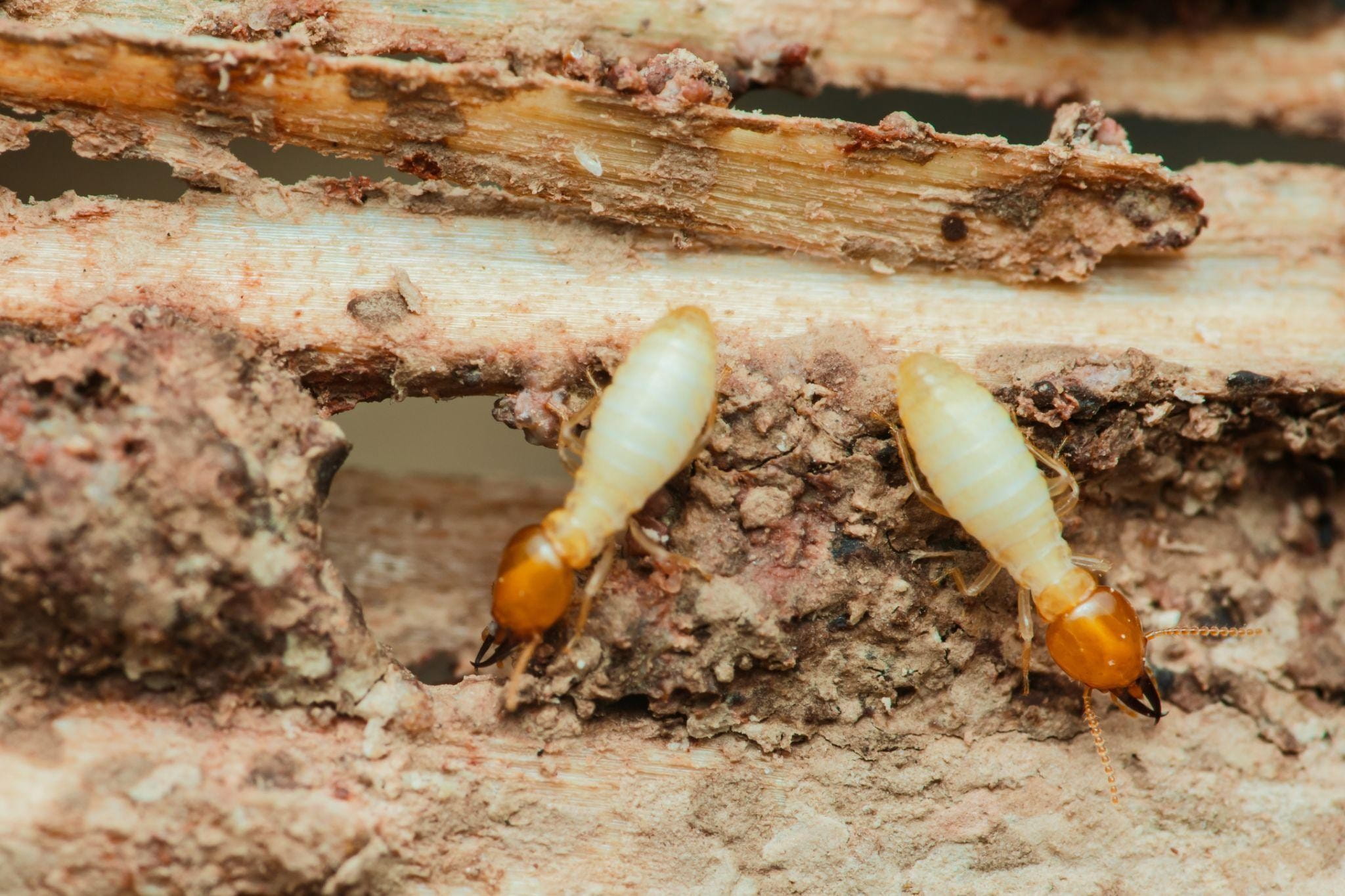
Termites Can Be Difficult to Detect
Termites often like to keep their presence concealed. A lot of termite activity can happen out of sight. Beneath floors, around foundations or within timber inside the walls and other parts of your home.
This means your home could be suffering from termite activity, but not showing the signs you would expect. Regular inspections by a trained professional can allow for these hidden areas to be checked, many of which you may not get the chance to look at in day-to-day life.
Early Detection Can Limit Termite Damage
The longer termites have to feed undetected, the more damage they can do to your property. Although inspections won’t prevent termites from entering your home, they can alert you to the early warning signs of an infestation sooner.
Catching termite activity early, before it leads to expensive or noticeable harm, lets you tackle the issue and cut down on the chances of structural problems.
Does Every Home Need a Yearly Termite Inspection?
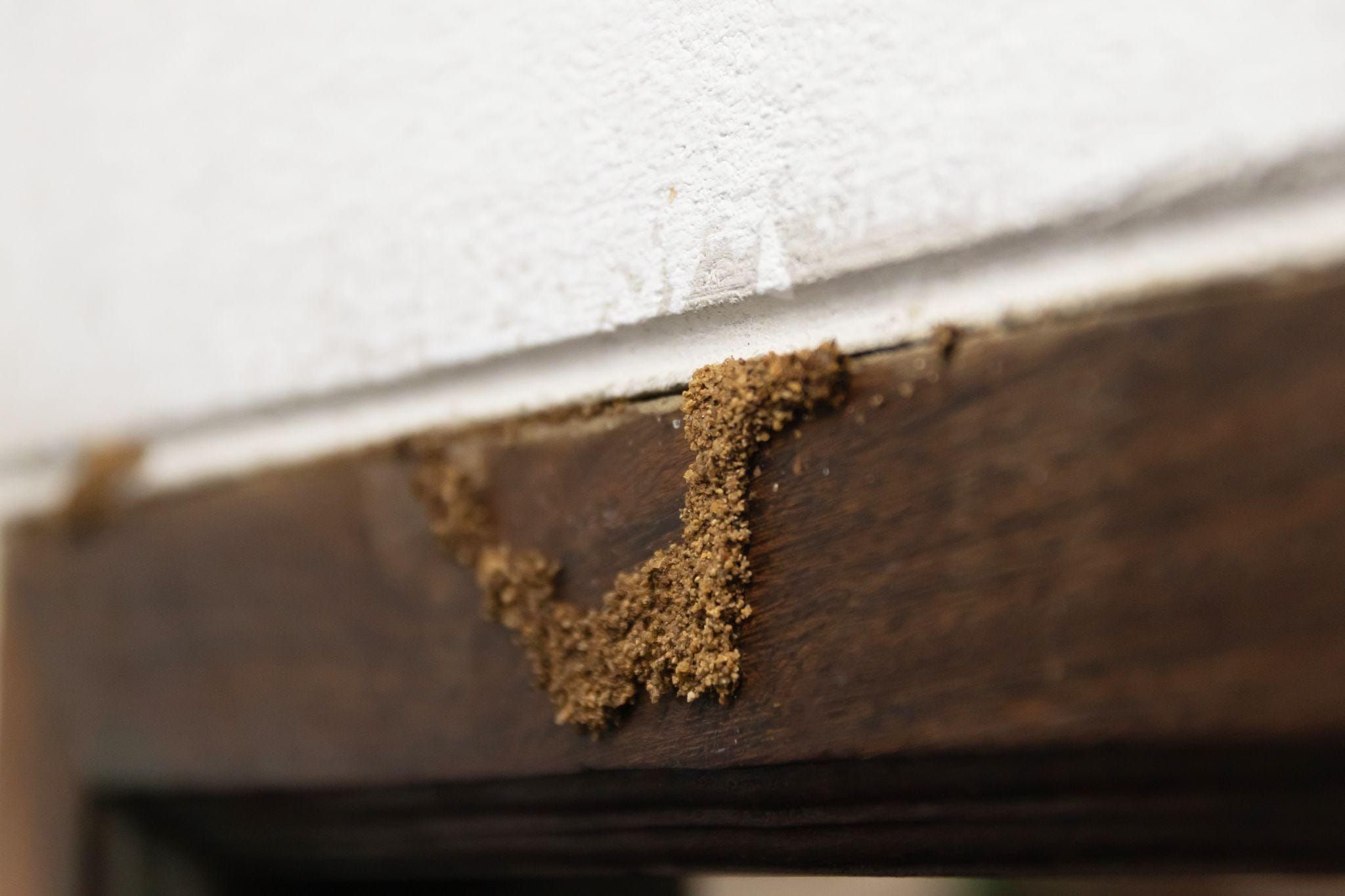
Each property presents its own unique termite risk profile. Although annual inspections can be beneficial, some homes may require more regular checks than others depending on the situation.
Previous Termite Activity
If termites have been spotted at a property previously, this is something to consider when determining the need for annual inspections. Just because termites have been seen does not mean they will necessarily become active again however, it maybe a reason to take yearly monitoring more seriously.
Property Location and Termite Risk
Factors such as location and landscaping will vary from home to home and can impact how likely termites are in Melbourne and surrounding areas. It is possible that your home may be at risk even if you do not live in a particularly high-risk area.
Booking in for a professional termite inspection will allow your technician to determine what conditions exist around your property rather than making the assumption that termites will or will not be present based on your location.
Moisture, Landscaping and Other Risk Factors
Other conditions surrounding your home can also impact termite risk. Things such as moisture, overgrowth, ground-contact wood and other environmental factors can increase the likelihood of termites being attracted to your home or make termite damage harder to spot.
This is another reason inspections can be beneficial, even if you don’t currently see live termites. Inspections can determine what termite risk factors you may or may not have.
What Happens During a Professional Termite Inspection?
A professional termite inspection involves assessing accessible areas of a property for evidence of termite activity, damage and conditions that could increase the likelihood of an infestation. During an inspection, Specialist Termite Control can look for signs that may not be obvious during a routine walk-around of the home.
What Areas Are Checked?
Inspection coverage shifts with the property, yet any accessible sections of the structure and adjacent yard space will be examined including roof voids, sub-floors and internal areas. This can include checking for evidence of termites as well as things that may make the property more susceptible to termite activity.
What Are Technicians Looking For?
Technicians will look for signs of termite life, such as termite workings, damaged timber, shelter tubes, and other evidence of current or past activity. They will also look at environmental and structural factors that may make your property more susceptible to termite attack.
What Happens if Termite Activity Is Found?
If termites are found, what happens next will vary depending on the property and the activity located. What’s important to know is that you don’t have to try and figure it out yourself.
A professional inspection can identify evidence of termites and recommend appropriate treatment and protection.
How Much Does an Annual Termite Inspection Cost?
Annual termite inspections can vary in cost depending on your property and the extent of the inspection needed. Different factors will affect the overall termite inspection price. The size and shape of your property, as well as accessibility and areas that need inspection, can all affect your price.
It may seem like another yearly expense to take care of when it comes to your household budget. But when you compare the inspection price to what it could cost if termite activity goes unnoticed, regular inspections allow us to find issues earlier and prevent damage costs.
At Specialist Termite Control, our friendly team can help you determine what your property may need and how much it will cost.
What Are the Signs of Termite Activity?
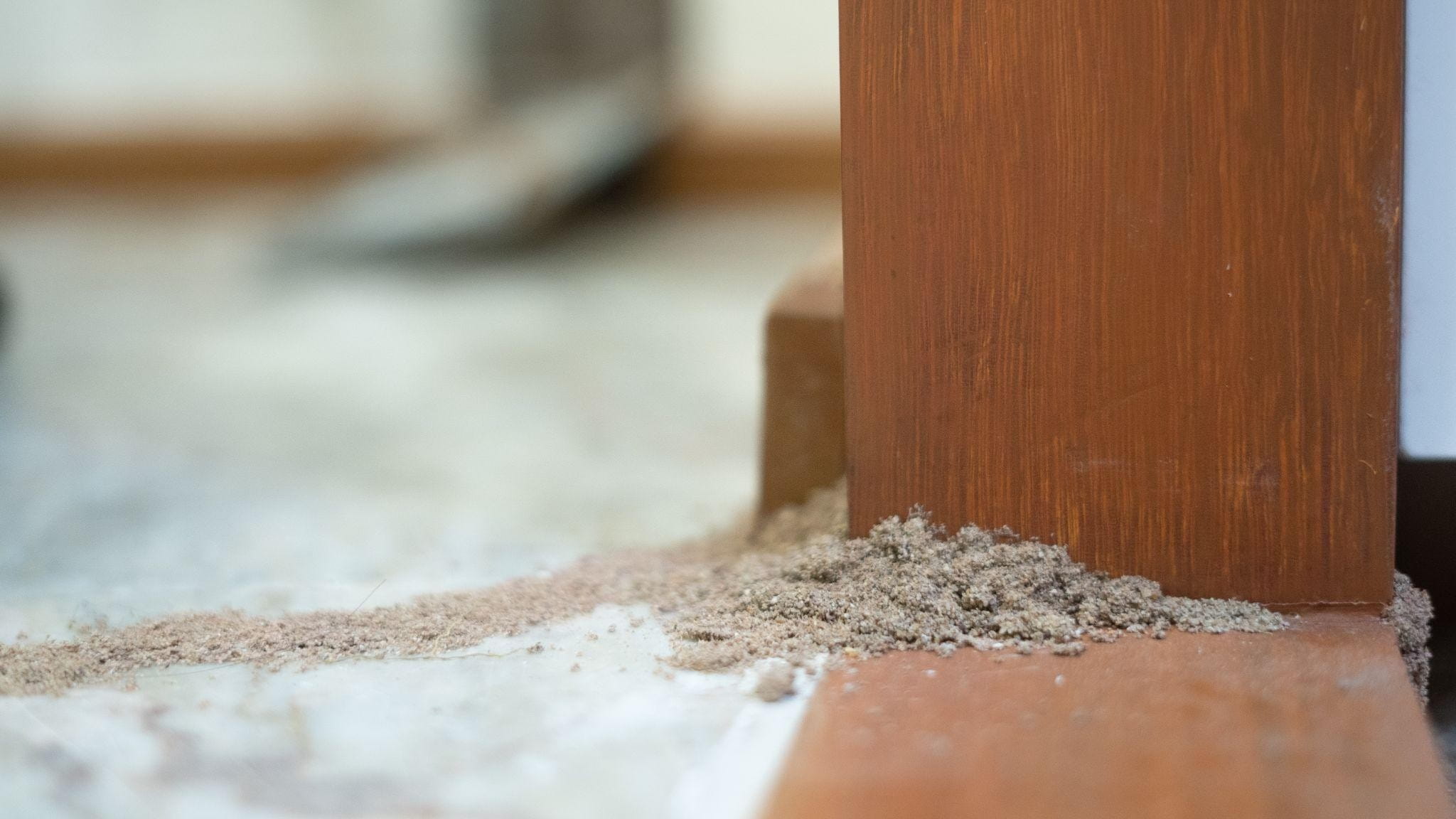
It’s understandable you may struggle to identify termites. After all, much of their activity will take place out of sight. But there are a few signs you can watch out for that may indicate termites have been active on your property.
Knowing what these signs are could help you spot something between inspections.
Visible Termite Damage
Unexplained damage or changes to timber might indicate termites have been eating away at the structure. Timber will often sound hollow when tapped and may appear weakened. Floors, skirting boards, door frames and other elements of your home can all be affected.
Keep in mind that just because you find damaged timber, it doesn’t mean termites are actively living there. They may have caused the damage in the past and moved on. Alternatively, the damage could have been caused by something else entirely.
If you suspect termite damage in your home, call in a professional. They can confirm whether termites were the cause and if there is any evidence of current activity. If termites remain active or the damage is recent, your termite inspector may recommend treatment or further investigation.
Mud Tubes and Shelter Tubes
You may also find mud tubes built by termites on your property. These can provide termites with access to food sources while also protecting them from exposure. They can be found around foundations, walls, sub-floors, roof voids, structural timber and other areas termites may be using to enter your property.
Similar to damaged timber, the presence of a mud tubes is cause to have your property professionally inspected for termites. Your inspector will be able to identify whether the mud tube is active or inactive.
Discarded Wings and Other Signs
If you find piles of small wings around your windows, doors or light fittings, it could be cause for concern. Swarming termites will often shed their wings once they land. Depending on how many wings you find and where they’re located, you may have termites nearby.
Since termites can swarm without you seeing them, their wings can easily be mistaken for another pest or go unnoticed around your home.
Changes Around the Property
The presence of termites doesn’t always manifest in ways you can see throughout your home. You might begin to notice changes around the exterior of your property that can increase termite risk.
Whether it’s excess moisture in the soil, timber sitting on the ground or heavy vegetation near the structure, termites can use these things to access your home. During a termite inspection, your inspector will identify these areas of concern.
Visible Signs Aren’t Everything
Just because you don’t see any signs of termites doesn’t mean your home is termite-free. Termite colonies can be active in your home without you ever seeing a sign of their presence.
That’s why routine inspections are so important. A professional termite inspector can identify whether termites are currently active on your property and spot problem areas that may increase your risk of termites.
Can an Annual Termite Inspection Prevent Termite Damage?

Regular inspections cannot guarantee termites will be physically prevented from entering your property. What they can do is identify termite activity (and past activity) and any conditions that may encourage an infestation before the problem gets worse.
If active termites are detected during an inspection, we’ll recommend treatment based on a number of factors. These can include how widespread the activity is, where the termites have been found, and conditions both around and under the property. Treatment options can include termite monitors, dust and foam treatments, chemical soil treatment or termite baiting systems.
Specialist Termite Control will advise the most suitable option depending on the situation. By treating active infestations and managing conditions that increase the risk of termites, we can minimise the likelihood of future damage and activity.
When Should You Book a Termite Inspection?
Just because you’re waiting for your next annual inspection doesn’t mean you can’t call us if you have concerns in the meantime.
You may want to consider having a termite inspection if:
- You discover unexplained timber damage.
- You find mud or shelter tubes on the property.
- You notice discarded termite wings.
- Termites have been found at the property in the past.
- You discover a condition that may increase the risk of termites.
- You have concerns about potential termites for any reason.
- Purchasing or selling a property.
Having the property termite inspected can be one part of the process of learning about the overall condition of a property. Don’t wait until you have major damage to look into a possible problem.
Protect Your Home With a Professional Termite Inspection
Getting yearly inspections carried out is common practice for many homeowners wanting to keep an eye on their property and check for termite activity before it becomes active.
The problem is, every house is different and will require inspections done at different frequencies based on how susceptible they are to termites. Annual inspections provide peace of mind, but if you have had termites before or have particular risk factors on your property, you may need to inspect more often.
Specialist Termite Control offers professional termite inspections in Melbourne that identify termite activity, any existing damage and conditions on your property that may put you at risk.
Contact Specialist Termite Control today to arrange your annual termite inspection, or if you think you may have termites.
Did you enjoy this article? Check out some of our other termite guides and tips:
